


Does Your Trailer Axle Need Repairs or Replacement?

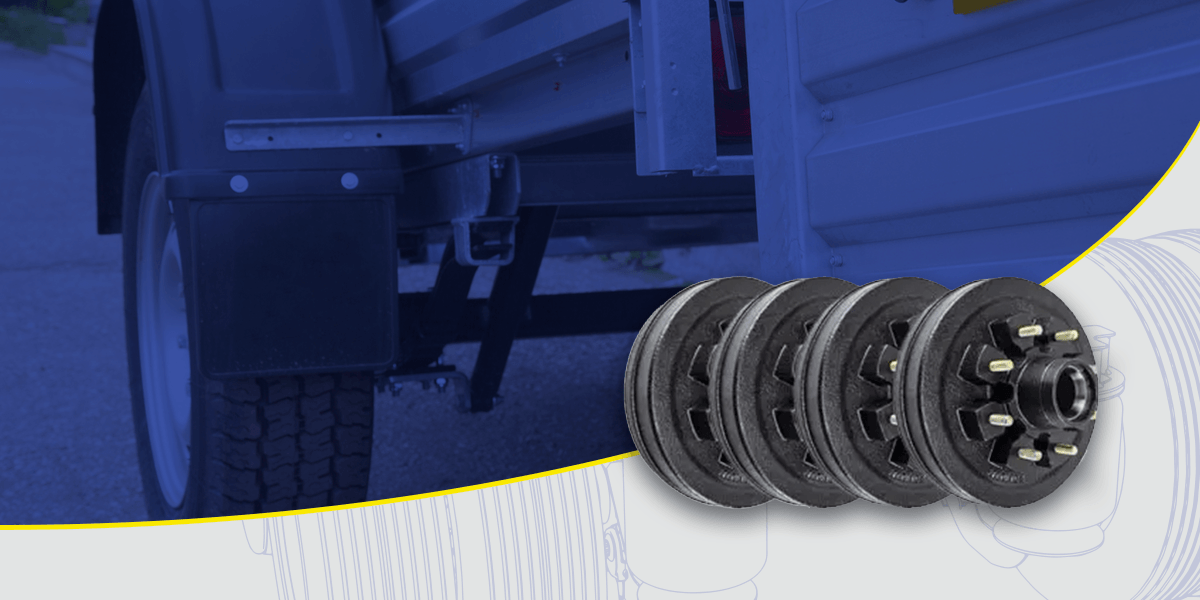
Your trailer works hard, and so does its axle. Whether you haul livestock across the ranch or bring equipment to sites nationwide, your trailer's axle bears the load every mile. When something feels off, you can either repair or replace it. However, you'll need to identify issues early and know how to determine the best option for your trailer.
Should You Repair or Replace Your Trailer Axle?
Repair involves addressing minor issues to extend the life of your current axle while its core structure remains intact. You can fix problems like loose U-bolts, worn bearings, surface rust or misalignment without replacing the entire axle. Replacement becomes necessary when the axle's structural integrity is compromised beyond safe repair. Severe bending, deep corrosion or repeated component failures indicate you need a new axle.
How to Repair a Trailer Axle
Repairing a trailer axle starts with identifying the specific problem. Here are common issues and how to fix them:
Loose U-bolts: Use a torque wrench to tighten them to manufacturer specifications — this often solves clunking sounds immediately.
Wheel bearings: Jack up the trailer on level ground, remove the wheel and hub assembly and carefully extract the old bearings and seals. Clean the spindle thoroughly, pack new bearings with high-temperature grease, install fresh seals and reassemble the hub.
Minor rust: Wire-brush the affected area, apply a rust converter and finish with protective spray. Always use quality replacement parts that match your axle's specifications.
- Misalignment: Inspect the trailer frame for structural damage. Measure axle alignment from a central reference point to determine the extent of the problem. Check and replace bent or broken suspension components.
- Worn suspension components: Perform a full suspension inspection if you hear clunking sounds when going over bumps or notice sagging. Replace worn bushings, hangers and hardware to restore stability.
When to Replace Your Trailer Axle
When you see these conditions, it's time to replace your trailer axle:
- Severe bending or cracks: Once bent, an axle rarely performs reliably again. This problem affects weight distribution and wheel alignment.
- Extensive rust or corrosion: When rust penetrates deep into the metal, the axle loses strength and becomes unsafe to operate.
- Repeated bearing failures: If bearings repeatedly fail, the axle ends or spindle alignment may be compromised.
- Age and wear from heavy use: Axles that have been overloaded or exposed to harsh conditions eventually wear out.
How to Replace a Trailer Axle
Replacing a trailer axle requires proper preparation and quality parts. Choose replacements that match your trailer's Gross Axle Weight Rating (GAWR) from a trusted supplier like Husky Trailer Parts Co. Work on a hard, level surface with high-capacity floor jacks and tall-rated jack stands, not a trailer supported only by a jack.
Follow these axle replacement steps:
- Lift the frame and remove the wheels.
- Take off the hub and brake assemblies.
- Disconnect the brake wiring and remove the U-bolts.
- Remove the old axle and mount the new one to the trailer.
- Use new U-bolts to attach the axle to the leaf springs.
- Restore all wiring, brake assemblies, hubs and wheels.
- Conduct a post-installation inspection by testing the brakes and torquing the hardware to manufacturer specifications.
Trust Husky Trailer Parts Co. for Quality Trailer Parts
Whether you need a replacement axle, complete axle kits or individual components, Husky Trailer Parts Co. has what you need. We've been family-owned since 1962, serving Texas and shipping trailer parts nationwide. Browse our straight axles and drop axles online, with free FedEx shipping on most orders to the lower 48 states.
Shop Trailer Axles Today
Add the parts you need to your cart and buy now to get your trailer back to work. Need help selecting the right axle? Call us at (936) 295-9900 or visit our contact page.
